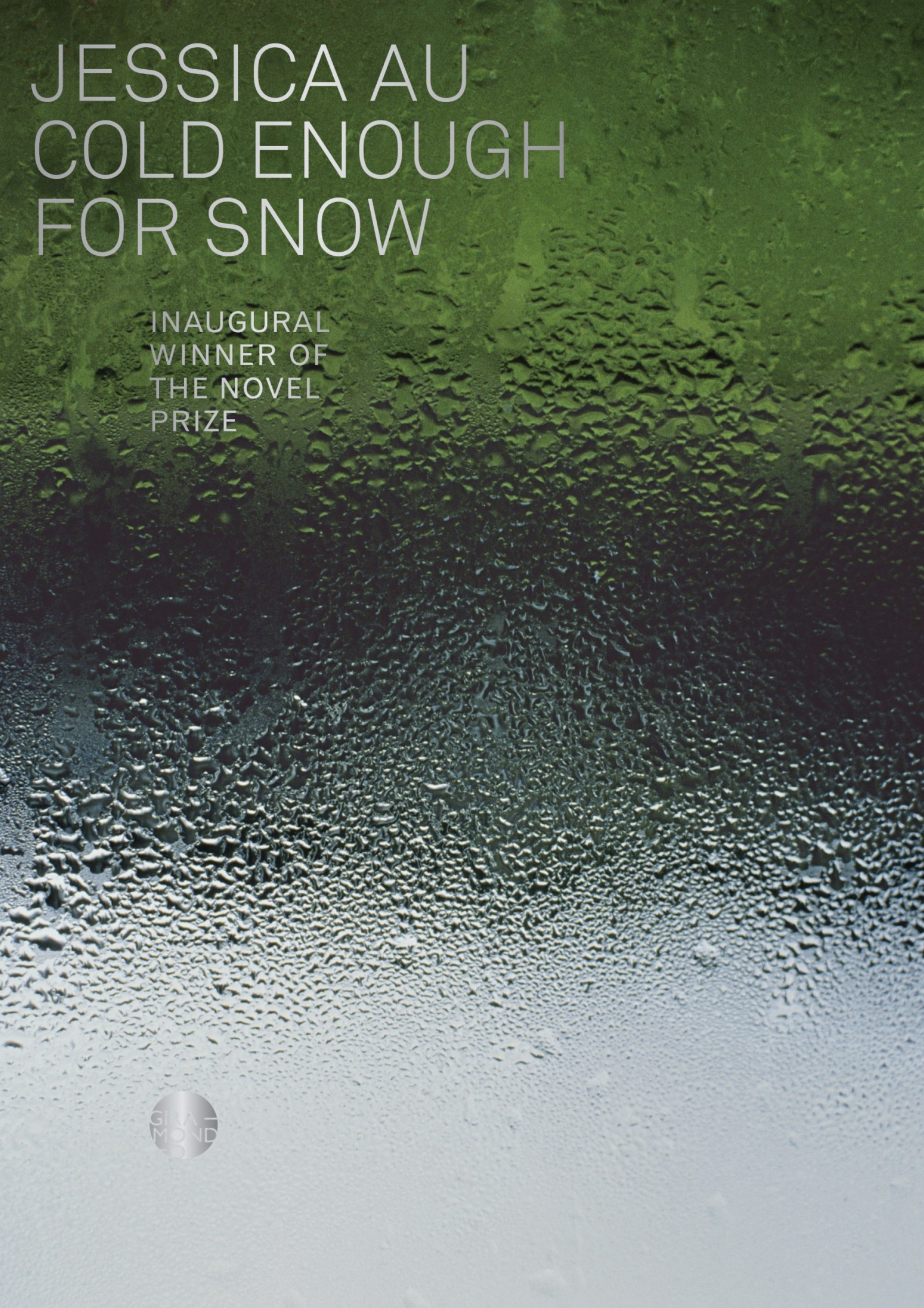
查找文献的间隙,我偶然看到豆瓣首页的新书推荐,被《冷到下雪》这个书名和它的绿色封面吸引,一看它的英文书名是Cold Enough for Snow,顿觉书名更迷人了。我迫不及待想要读到它,于是找到了这本书的英文版,只有短短的70页。
这本小说大意是讲许久未见的母女从各自居住的不同地方飞往日本,主要是京都、东京和大阪,然后一起坐火车旅行。小说没有波澜起伏的情节,反倒像极了日本传统的自白小说。作者带着母亲参观美术馆、画廊等等,穿插讲述了母亲、姐姐、舅舅、老公以及作者年轻时在学校发生的故事。如果是抱着对谜一般故事的渴望来读,那么你一定会失望。这本书除了是一本自白小说外,最大的亮点是细节描写。看得出来作者在用力地观察这个世界,小到一滴雨水的滑落,以及雨水淋湿之后的地面质地和纹路。我想,作者在确定Cold Enough for Snow这个标题的时候,除了她对母亲的复杂情感,她大概也想强调“冷”这种天气所导致的身体感觉,她一定在意如何裹紧一件风衣,如何将衣服的扣子一颗一颗扣紧,如何听到拉上拉链时发出的细脆响声。
其实我一开始也是抱着想读到某些动人情节的想法而下载这本书的,但是正如上面所说,它没有起伏的故事,甚至没有冲突,反而作者那迷人的、缓慢的自我表达带给我不小的触动。我甚至也想穿过东京的花园走廊,在城市附近的山间漫步,感受绵绵的细雨和冲刷而来的季风是如何地穿透我、淋湿我。
以下是一些原文摘抄:
Whenever I’d asked her what she’d like to visit in Japan, she’d often said she would be happy with anything. The only question she’d asked once was whether, in winter, it was cold enough for snow, which she had never seen.
Maybe it’s good, I said, to stop sometimes and reflect upon the things that have happened, maybe thinking about sadness can actually end up making you happy.
That I could let life happen to me in a sense, and that perhaps this was the deeper truth all along, that we controlled nothing and no one, though really I didn’t know that either.
The exhibition was a collection of some works by Monet and several other impressionist painters. The building was cramped and badly lit, and many of the works hung in fussy, elaborate frames. But each still contained a world unto itself, of cities and ports, of mornings and evenings, of trees and paths and gardens and ever-changing light. Each showed the world not as it was but some version of the world as it could be, suggestions and dreams, which were, like always, better than reality and thus unendingly fascinating. I stood with my mother in front of one of the main paintings of the exhibition and said that actually, I thought I understood.
Every time I finished a text, I felt like I was done, but then the same thing would happen again and again, a tearing open of my thoughts, a falling into a vast, unknown space, where the air rushed and all my senses were overwhelmed. It was as if this knowledge was truly an elixir, a drug. And yet, something eluded me.
I did not mention the different things I had experimented with at the lecturer’s house, how I had sat, in almost decadent solitude, with my single glass of wine each night, thinking over the day.
The main thing was to be open, to listen, to know when and when not to speak.
It was monsoon season, and often during those days my uncle would walk home in the rain, which at times was so fierce and sudden, you barely had time to open your umbrella before getting wet. No matter where you walked, your shoes would be soaked and the cuffs of your pant legs also. And then, just as quickly, the rain would clear, to be replaced with an equally thick and oppressive heat.
It was surprisingly beautiful, and she found it hard to believe that she had been there before.
As the boat had crossed Victoria Harbour, she had taken off her jacket and folded it carefully over the railings at the prow. The wind had pulled at her hair, which she had pinned up that morning, causing short, loose strands to flutter about her face in a way that felt somehow freeing. The sea was choppy and flat, and she had leaned with her forearms over her folded jacket, looking ahead to a city that was shrouded in a fine, golden late-afternoon mist.
But she remembered, or at least thought she remembered, the heady days they had spent together, when they did not fully know each other yet.
I had the vague thought I had been taught somehow that the best thing was still to be desired, even if you did not desire, even if you did not much like the person who desired you.
One story had been about a mountain, whose peak was surrounded by a ring of clouds, like a necklace, and who had been so beautiful that the greatest of all mountains had fallen in love with her. But the mountain with the clouds had not returned the other’s affections, and instead had pined after a smaller, flatter mountain below. The great mountain had been so shocked and enraged by this, it had erupted into a volcano, covering the skies with smoke and darkness and pain for many days. I remember for some reason feeling incredibly moved by this story, the love of the beautiful cloud mountain for the kinder, smaller one, the torment of the volcano, as if, at that age, their passions had seemed more real to me than any human ones.
The evening became a deep blue, the temperature began to cool. I was feeling further and further away from everything. The ferns by the side of the road were almost shadows. I knew I should be going faster, that I should try and outrun the coming night, but, like the day we had spent kayaking across the lake, I could not seem to find any real sense of urgency. Instead I wandered slowly, feeling almost like someone lost, who contemplates simply lying down to sleep where they stand. I passed by an old bridge and stopped to walk across it and saw the water, filled and sped by the rain, pouring down. Finally, I saw the train station in the distance, lit by a low orange light, appearing through the blue of the night as if through a haze. The last train was in forty minutes. I pulled the sleeves of my jacket over my hands and wrapped my arms around myself as I sat on the bench to wait. Eventually, I got up and bought a bottle of sake from one of the vending machines. It was clear and cold, tasting at first of alcohol and something vaguely sweet, before evaporating into nothing. After a while, I was no longer cold, but only very tired. I had one vague, exhausted thought that perhaps it was all right not to understand all things, but simply to see and hold them.
We had said, it seemed, so little of substance to each other these past weeks. The trip was nearly ending, and it had not done what I had wanted it to.
Then I took her hand in mine and clicked the shutter with the other. Later, looking back at the image, I could see that we were both not quite ready for the camera: weary, surprised and somehow very alike.